

About Transmission of Shares
When a shareholder passes away, their shares do not automatically appear in the names of the family. The shares must be formally transmitted to the nominee or legal heirs by following the procedure of the company and the depository.
Every case is different, depending on whether there is a nominee, a will, or no will at all. We help you understand which route applies, gather the right documents and deal with the company's registrar so that the process is not delayed by repeated queries.
Who Can Benefit From Transmission of Shares
- You have inherited shares from a parent, spouse or relative
- You are named as a nominee in the shareholder's records
- The shareholder passed away without a will
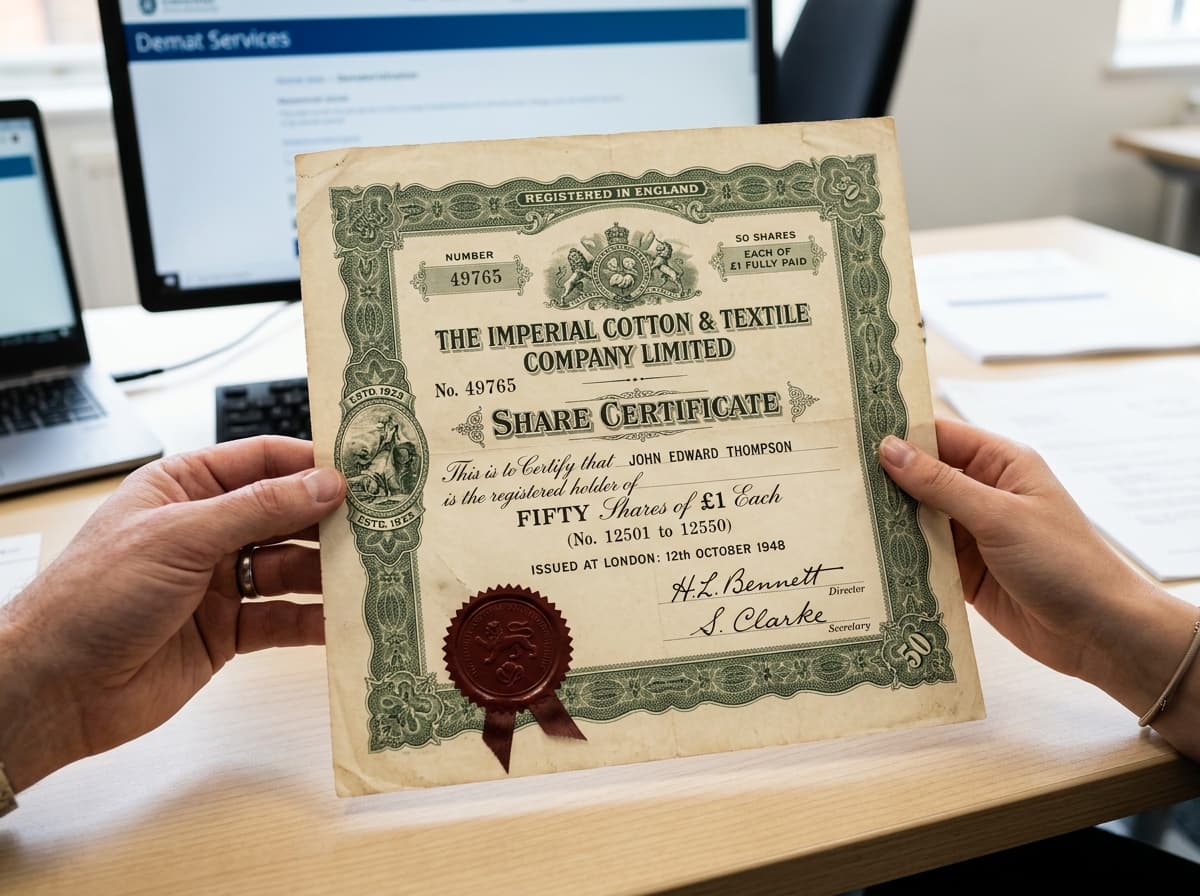
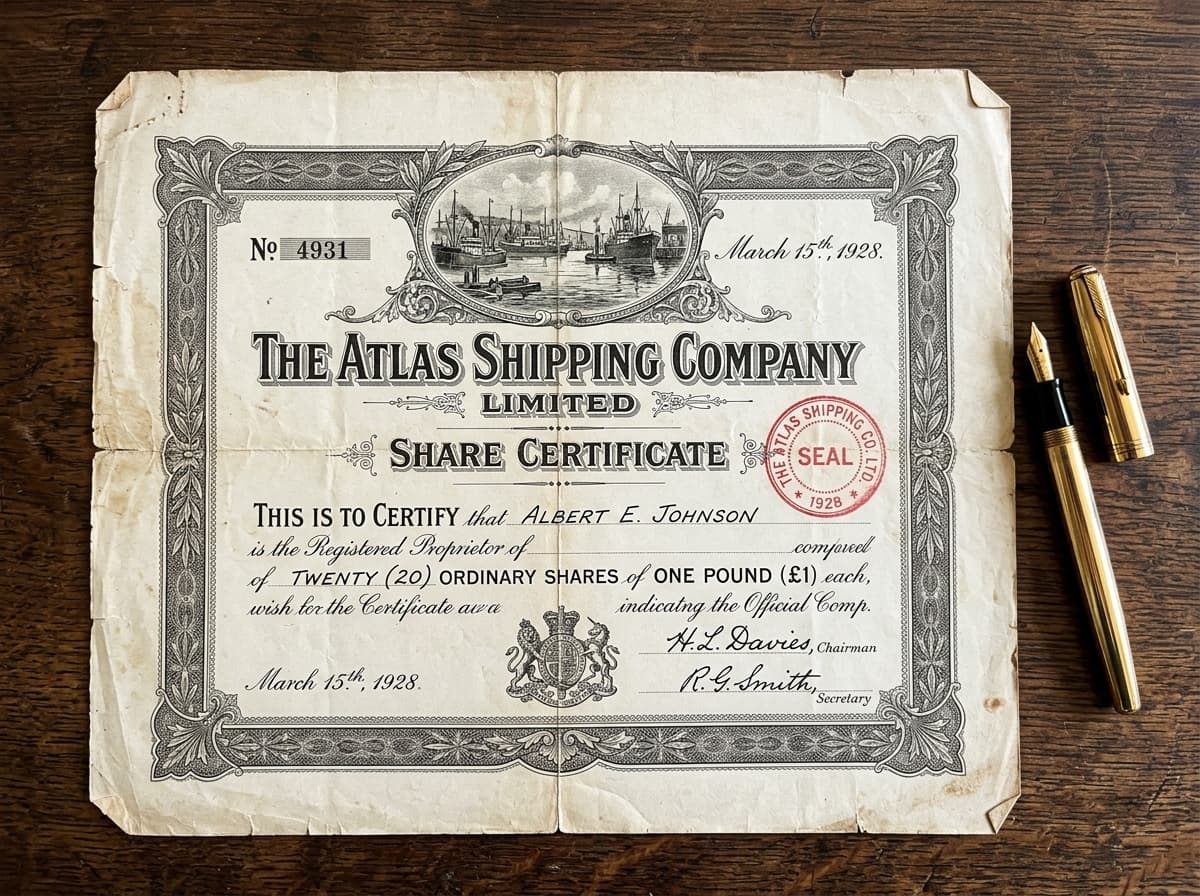
- You found share certificates or demat statements among the deceased's papers
- Several legal heirs need to agree on how the shares are to be held
How We Help With Transmission of Shares
- 1
Identify the holdings
We help you find out which companies, folios and demat accounts the shares are held in.
- 2
Choose the right route
We explain whether transmission is through nomination, a will, a succession certificate or a legal heir certificate.
- 3
Prepare the documents
We prepare the claim forms, affidavits, indemnities and supporting papers.
- 4
Submit and coordinate
We submit to the company, registrar or depository participant and respond to their queries.
- 5
Confirm the transfer
We follow up until the shares are credited to your demat account.
Documents for Transmission of Shares
Requirements vary by case and institution. We will confirm what applies to your engagement.
- Death certificate of the shareholder (attested copy)
- Original share certificates or demat account statement
- Nominee details, if a nomination was made
- Proof of relationship, such as a legal heir certificate
- Will and probate, or succession certificate, where applicable
- Claimant's PAN, identity and address proof
- Demat account details of the claimant
- Indemnity bond, affidavits and no-objection letters from other heirs, where required
Transmission of Shares FAQs
See all FAQs →What is transmission of shares?
Transmission is the transfer of securities to the person legally entitled after the death of the registered holder, it is different from voluntary transfer.
Is transmission the same as transfer?
No. Transfer is generally voluntary, transmission generally arises by operation of law, commonly after death.
Who can claim a deceased shareholder's shares?
A nominee, legal heir, successor, administrator or other entitled person may claim depending on the circumstances and documentation.
What if there is a nominee?
The nominee route can simplify applicable cases, but prescribed KYC and transmission documents are still required.
What if there is no nominee?
The legal heirs or other entitled persons may need to establish their entitlement through the applicable documentation.
What documents may be required?
Depending on the case: death certificate, legal-heir/succession documentation, probate/Will documents, letter of administration, affidavit, indemnity, NOC/relinquishment and KYC.
Do I always need a succession certificate?
Not necessarily. Requirements depend on the facts, nomination, legal heir certificate, Will, value/type of holding and company/RTA requirements.
What if there is a Will?
The Will and its legal status need to be assessed; probate or other documentation may be required depending on the circumstances.
What if there is no Will?
The applicable legal-heir/succession route needs to be assessed.
What if one heir wants the shares in their name?
Other heirs may need to provide NOC, relinquishment or other prescribed documentation, depending on the case.
What if the shareholder was a joint holder?
The transmission route can differ depending on surviving holders, nomination and the holding structure.
Can transmission be combined with IEPF recovery?
Yes, in appropriate cases, but the correct sequence depends on where the shares currently stand.
Can Vitt Management obtain probate or a succession certificate?
Court proceedings and formal legal representation should be handled by appropriately qualified legal professionals. Vitt Management can coordinate/referral-support where appropriate.
What if an heir refuses to cooperate?
The consequences depend on the facts and legal rights involved. Disputed entitlement may require qualified legal advice.
Can NRIs be heirs in transmission cases?
Yes, subject to applicable documentation, KYC and other regulatory requirements.
Can heirs living in different countries sign remotely?
Possibly, but the prescribed execution, notarisation, apostille or attestation requirements must be checked case-by-case.
How long does transmission take?
There is no single timeline; it depends on documents, legal status, company/RTA processing and clarifications.
Explore Our Other Services
Complete support for all your unclaimed and forgotten financial assets.






Insurance Claims – Unclaimed Insurance
Trace unclaimed insurance amounts and coordinate policy and claim documentation.

ESI and PF Compliance
ESI and PF registration, employee records, contribution workflows, and compliance support.

Labour Law Compliances
Workplace registrations, statutory records, workforce documentation, and labour compliance coordination.

Tax & GST Compliance
Business-focused support for GST registrations, returns, reconciliations, and tax compliance records.

ITR Filing & Tax Consultancy
Income-tax return preparation and filing support based on your income and reporting profile.

Company & LLP Registration
Structured support for company and LLP name reservation, incorporation documents, and MCA registration.
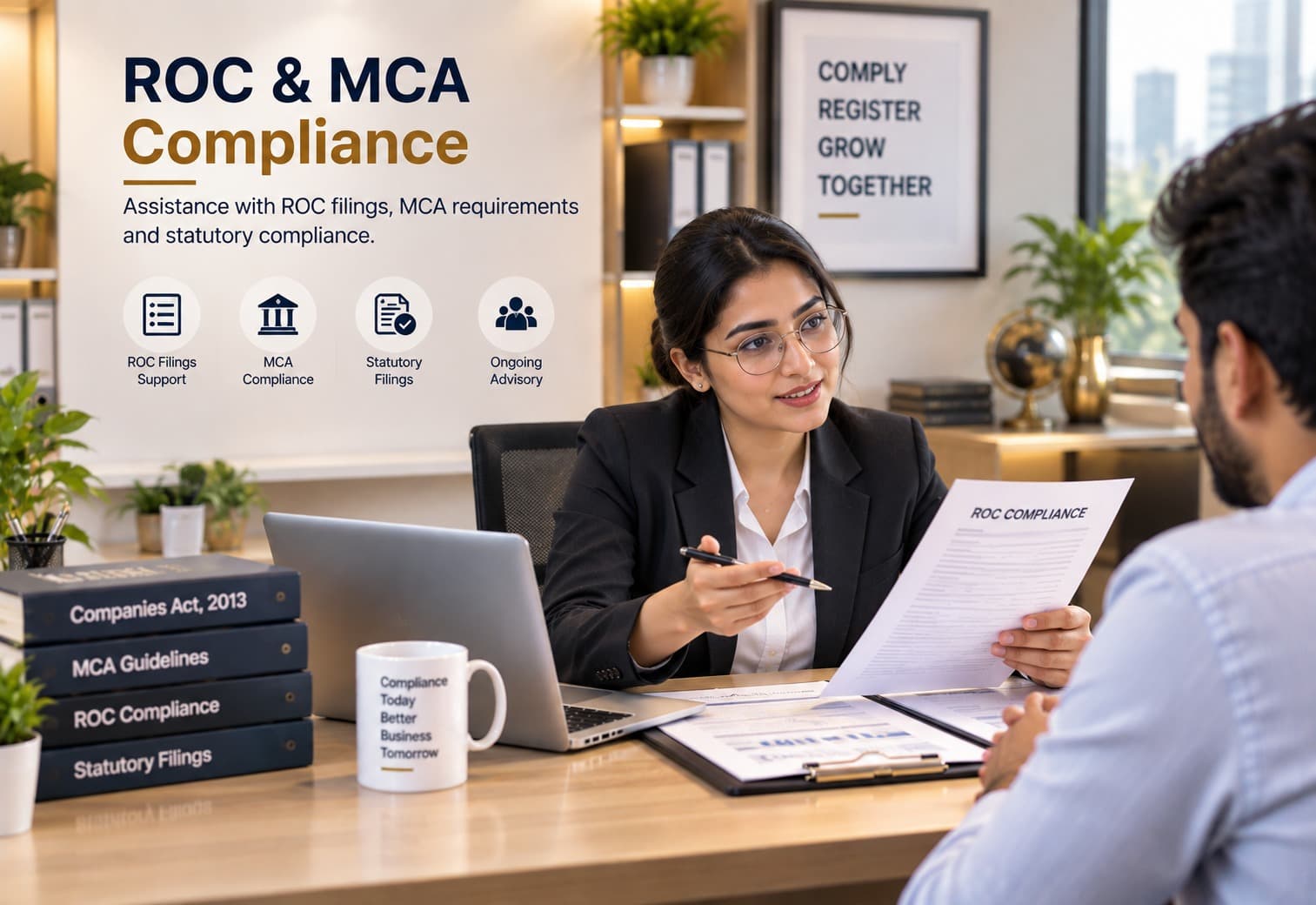
ROC & MCA Compliance
Ongoing support for company and LLP annual returns, event-based forms, and MCA compliance records.